
What Every Florida Homeowner Should Know
When a hurricane hits or a sudden storm tears through your neighborhood, the last thing you want to discover is that your insurance payout won’t cover the full cost to rebuild. The difference between replacement cost and actual cash value could mean thousands of dollars out of pocket for Florida homeowners. Understanding how each coverage type works ensures you can repair or rebuild your home without unexpected financial stress.
Why It Matters in Florida
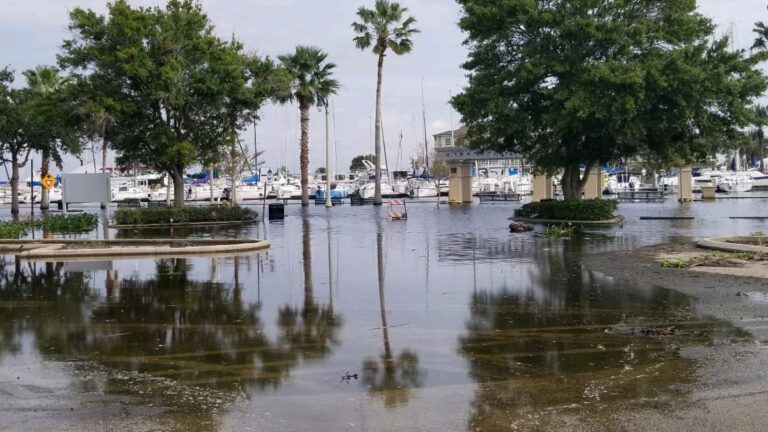
Florida’s unique weather challenges make proper coverage critical. With hurricanes, floods, and strong wind events becoming more frequent, rebuilding costs can soar overnight. According to CoreLogic’s 2024 Catastrophe Report, Florida ranks first in the nation for homes at risk of storm damage, with over 7.8 million properties exposed to hurricane-force winds each year. When supply shortages and inflation hit after major storms, construction materials and labor costs spike—sometimes doubling within weeks.
If your policy pays Actual Cash Value (ACV) instead of Replacement Cost Value (RCV), you may only receive a fraction of what you need to restore your home.
What Is Replacement Cost Coverage?
Replacement Cost Value (RCV) coverage reimburses you for what it costs to rebuild or repair your property today, using similar materials and quality, without deducting for age or wear.
For example, if hurricane winds destroy your 10-year-old roof, replacement cost coverage pays the cost of installing a new roof now, even if prices have increased since your home was built. This ensures your payout matches the actual rebuilding cost rather than the depreciated value. It’s important to know that the replacement of the roof is with like kind and quality.
While premiums for RCV policies are typically higher, the peace of mind and financial protection often outweigh the additional cost, especially in storm-prone regions. Homeowners with newer homes or high-value properties benefit the most from RCV coverage.
What Is Actual Cash Value Coverage?
Actual Cash Value (ACV) coverage accounts for depreciation, which is the natural wear and tear that occurs. It pays the replacement cost less the depreciation of the damaged property.
Take the same roof example: if your roof had a 20-year lifespan and was halfway through its expected life, the insurer could depreciate its value by 50%. If replacing it costs $20,000, you might only receive $10,000 before your deductible. The rest comes out of pocket.
ACV policies often attract homeowners looking for lower premiums, but they can create financial strain when disaster strikes. After hurricanes like Irma, Ian or Idalia in Florida, many residents discovered that ACV coverage didn’t extend far enough to cover modern construction costs, leaving them scrambling to fund repairs.
Key Differences Between RCV and ACV
Feature
Replacement Cost (RCV)
Actual Cash Value (ACV)
Depreciation Deducted
No
Yes
Claim Payout
Full Cost to Replace
Reduced for age/wear
Premiums
Higher
Lower
Ideal For
Newer or High-Value Homes
Budget-Conscious Homeowners
In Florida, the right choice depends on your home’s age, construction type, and tolerance for financial risk. With hurricane deductibles and rebuilding costs continuing to rise, RCV coverage often provides better long-term protection.
How to Know What Coverage You Have
Many homeowners don’t realize what type of coverage their policy provides until they file a claim. Look for phrases like “replacement cost loss settlement” or “actual cash value basis” in your policy declarations. Your insurance agent can confirm your current coverage type and explain how it applies to your home and personal property. Scheduling an annual policy review ensures your coverage keeps pace with rising construction costs, inflation, and updated building codes.
Choosing the Right Coverage for Your Florida Home
In a state where storms are inevitable, replacement cost coverage delivers a more reliable financial safety net. It ensures that when the unexpected happens, you can restore your home to its pre-loss condition without facing unexpected shortfalls.
At Beucher Insurance Agency, our team understands Florida’s complex weather and insurance landscape. We offer free policy reviews, personalized recommendations, and competitive rates to make sure your coverage aligns with your needs and not just your budget.
Don’t wait until after a storm to discover your coverage gaps. Contact Beucher Insurance Agency today at 352-357-1994 or fill out the form on our contact us page to schedule your free policy review.